
Pecan Grove City Directory Shelves
Pecan Grove has no verified printed city-directory run of its own. The dependable starting shelf is the Texas State Library listing for the combined Rosenberg-Richmond directories, then the Genealogy and Local History Department at George Memorial Library. The state list confirms only three years, and it does not give a publisher. That narrow result matters: the volumes can produce useful local leads, especially after the planned development began, but they cannot be presented as a yearly directory of Pecan Grove households.
| Collection | Years | Where Held | Access |
|---|---|---|---|
| Rosenberg-Richmond printed volumes | 1962, 1982, 1986 | Texas State Library holdings list; ask George Memorial about local catalog holdings | Search both Richmond and Rosenberg labels; no separate Pecan Grove entry was found |
| Reverse, criss-cross, telephone, and suburban directories | Exact local years not verified | George Memorial Genealogy and Local History Department | Ask staff for address-ordered volumes and check each volume's coverage |
| Fort Bend local-history materials | Collection-specific | George Memorial, Richmond | Non-circulating, in-library consultation |
| Portal to Texas History partner collection | Mostly 1880s-1980s material | Fort Bend County Libraries partner page | Online photographs and local-history items, not a city-directory run |
The Texas State Library city-directory list is the source for the verified years. Its listing is a holdings clue, not proof that every Pecan Grove address or household was included.
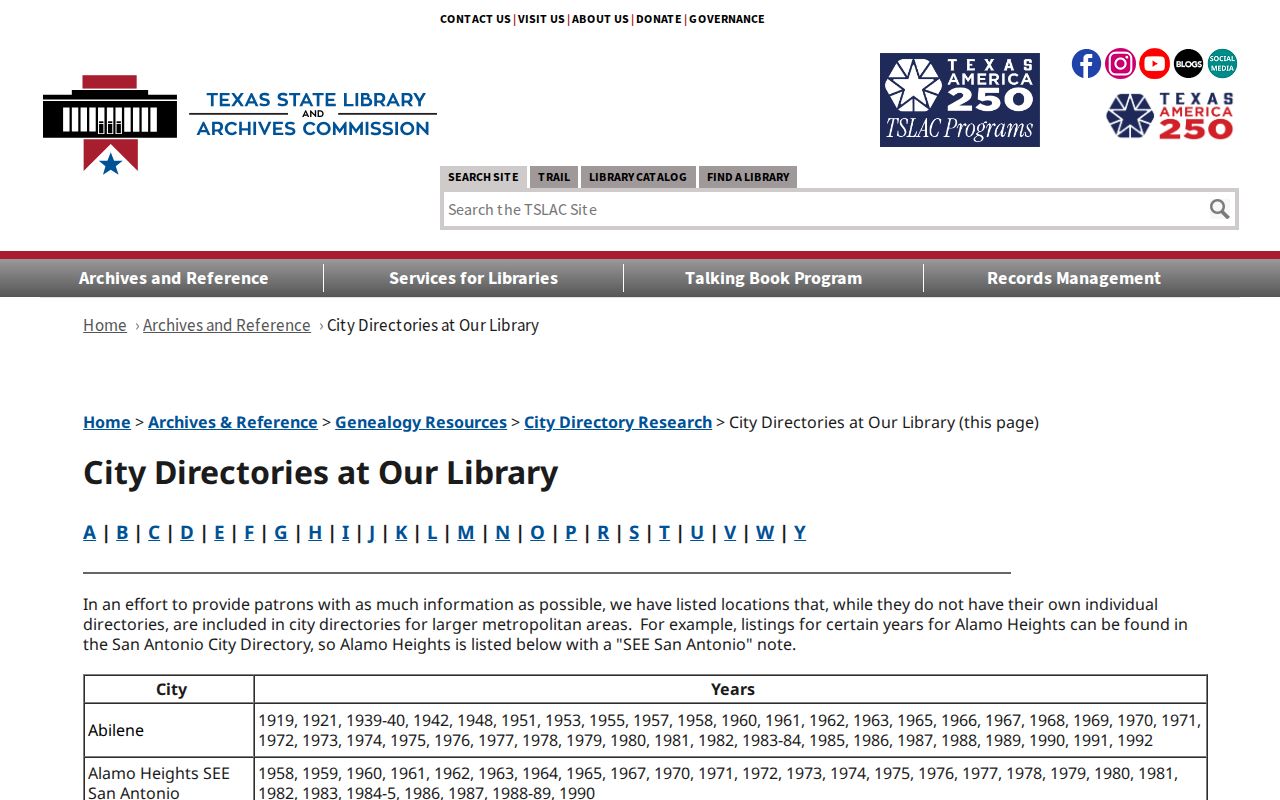
The holdings image supports a careful search for Rosenberg-Richmond labels rather than an assumed Pecan Grove title. Note: no continuous run or publisher should be inferred from the three listed years.
Pecan Grove Before Printed Listings
Pecan Grove is an unincorporated Fort Bend County CDP, not an incorporated city with a clerk's archive or municipal directory. The Handbook of Texas places the community's land acquisition in 1973 and construction by 1978. A 1962 Rosenberg-Richmond volume therefore gives regional context before Pecan Grove development, while 1982 and 1986 are the first verified directory-era tests after construction began. A modern Richmond mailing address also does not establish Richmond city limits.
| 1962 | Verified Rosenberg-Richmond directory year that predates the Pecan Grove development. |
|---|---|
| 1973-1978 | Land acquisition and construction period described for the planned community. |
| 1982 and 1986 | Verified Rosenberg-Richmond directory years to test for early Pecan Grove-era household leads. |
The historical sequence is uneven. Start the earliest work with deeds, plats, tax rolls, and local-history sources, then use those printed volumes as one dated layer among several.
George Memorial's Directory Desk
George Memorial Library is the practical Pecan Grove city-directory desk. Its Genealogy and Local History Department is on the second floor at 1001 Golfview Drive in Richmond, with a published phone number of 281-341-2608. It serves as a Texas State Library Regional Historical Resource Depository for Austin, Brazoria, Fort Bend, Matagorda, Waller, and Wharton county material. The department's Fort Bend holdings are non-circulating, so plan to consult the books, film, and local files at the library.
The public reader-printers are especially useful for directory-adjacent evidence. Copies cost ten cents per page and require coins. The department also offers obituary resources, a burial-record database, censuses, school and church material, and in-library Ancestry Library Edition. Chronicling America is available online. Those channels can test whether a directory name belongs to the same family, address, or era.
The George Memorial local-history department describes the library route and its research resources.
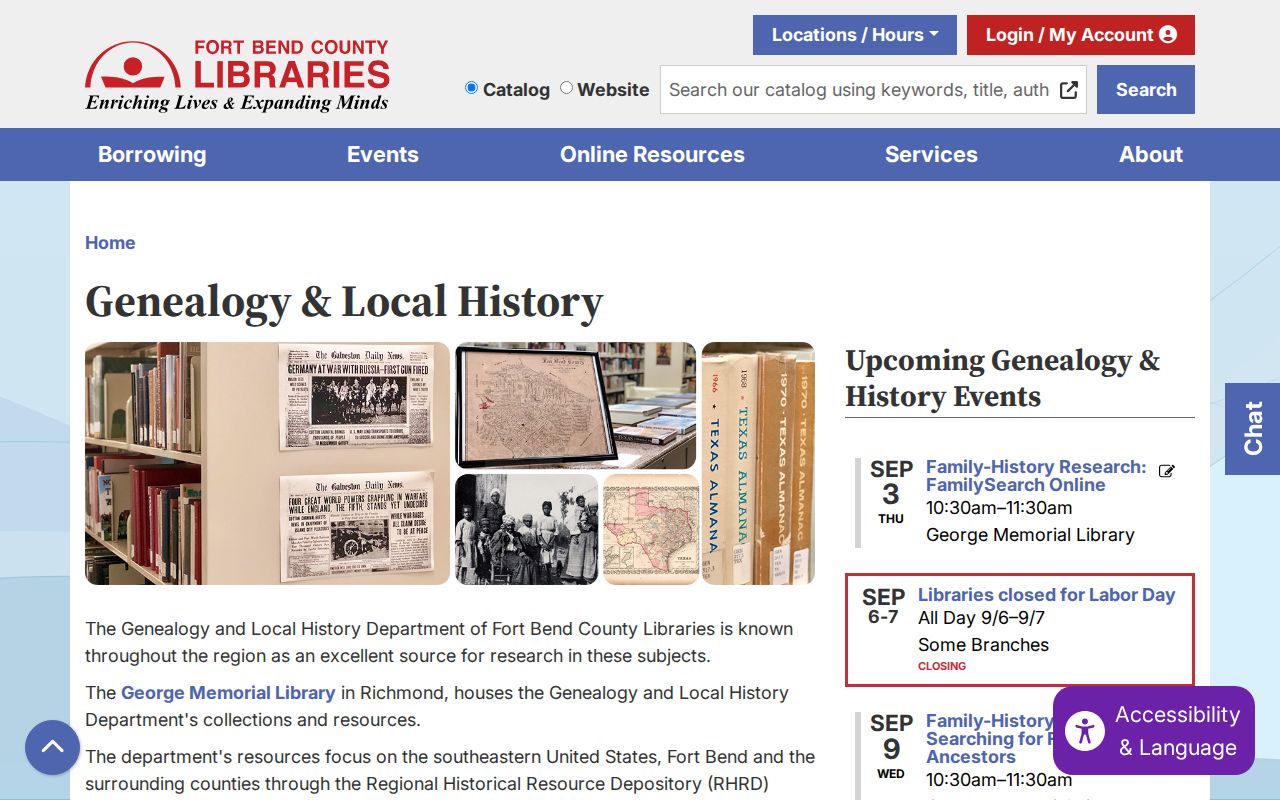
Use the department as an access channel when an online listing is too thin, an address needs a reverse-volume check, or a surname needs local obituary and cemetery context.
Read a Pecan Grove City Directory Entry
No open scan of a Pecan Grove or Rosenberg-Richmond directory entry, or of its abbreviation key, was located. The inventory below is therefore a capture checklist for the actual page in hand. It does not recreate a local resident entry. Read the introductory pages and the publisher's key before treating an abbreviation, a spouse reference, or a street label as a firm fact.
| Name as printed | Usually surname first in the alphabetical section; record initials and spelling exactly. |
|---|---|
| Spouse reference | May appear in parentheses if that volume uses the convention; it is not guaranteed. |
| Occupation or affiliation | May be printed, but only copy what the particular entry shows. |
| Street or route | May use Richmond, Rosenberg, a rural route, or an abbreviated street form rather than Pecan Grove. |
| Household notation | Any ownership, widow, telephone, or occupancy mark must be interpreted from that volume's own key. |
- Criss-cross directory
- An address-ordered section, when a volume includes one, used to look from street and number toward a listed occupant.
- Householder index
- An index that may point to the person recorded for a household, not necessarily every person at the address.
- Abbreviation key
- The volume's explanation of shortened marks such as residence, apartment, employer, or cross-reference notation. Read it before drawing a conclusion.
A missing name does not prove a vacant address. Publication timing, spelling, telephone subscription, coverage boundaries, and listing practice can all account for an absence.
Reverse Clues in Pecan Grove Directories
A reverse or criss-cross directory can be valuable when the starting point is an old street number. The local collection pages do not verify a Pecan Grove reverse-volume run, so the sound approach is to ask George Memorial for reverse books, criss-cross books, telephone books, suburban volumes, and Richmond-Rosenberg holdings by address. Confirm the year and coverage at the counter before treating the result as a Pecan Grove match.
Search the street number with full and shortened street forms, then check Richmond, Rosenberg, and rural-route labels. A name listing may offer an occupation or telephone clue for a second check. For a current address-keyed record chain, use the Pecan Grove street directory rather than extending a historical listing beyond its date.
Note: the published sources do not establish exact local reverse-directory years, so a librarian's volume check remains essential.
Fort Bend Microfilm Beyond Directories
When a family trail reaches before Pecan Grove development, the Texas State Library microfilm guide supplies firmer coverage than the known print volumes. It identifies Fort Bend deed indexes from 1837-1897, deeds from 1838-1886, probate from 1838-1877, district minutes from 1838-1903, tax rolls from 1838-1910, and a WPA naturalization index covering 1854-1929. These records can put a surname, land description, or estate relationship in the county well before the neighborhood existed.
The Regional Historical Resource Depository directory identifies George Memorial as the regional keeper. Historic records need a source note, because the guide flags missing pages in one deed volume and duplicate, more readable pages in another.
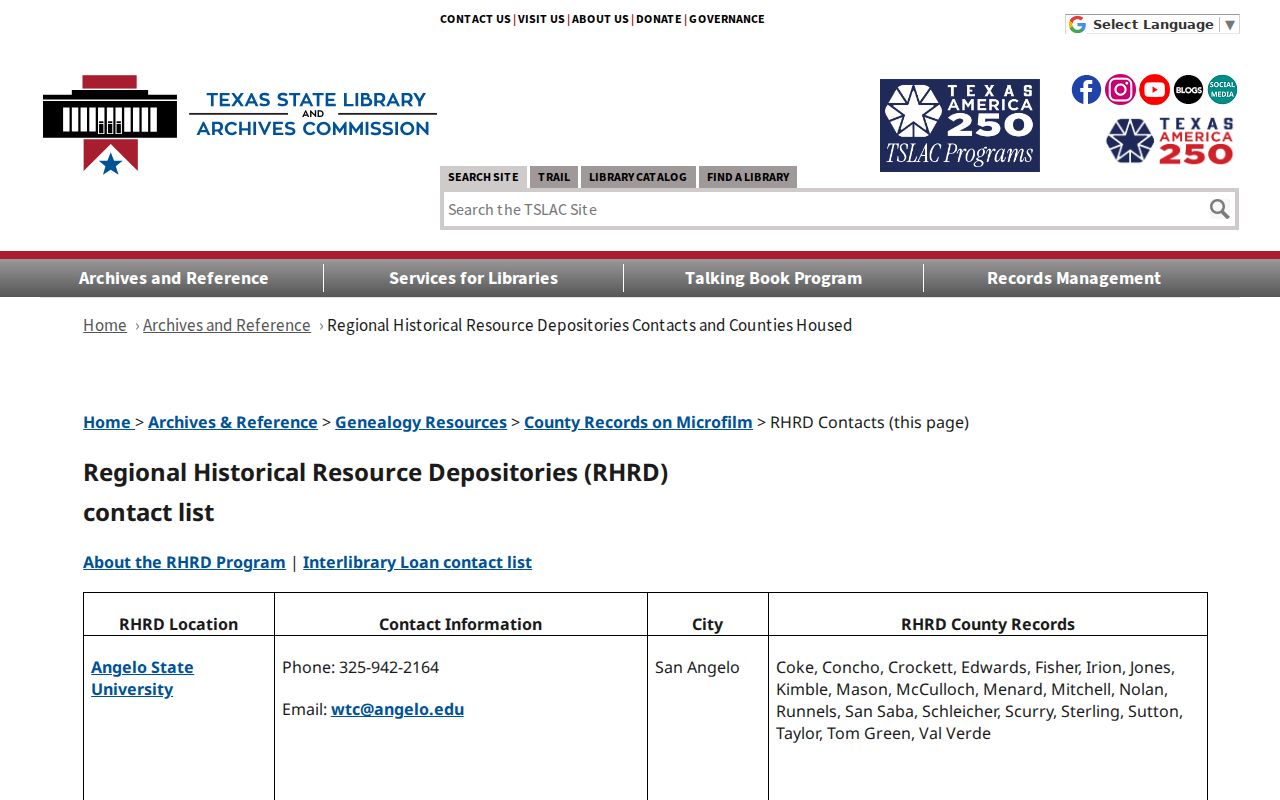
The repository listing explains why a Pecan Grove family-history search can move from a printed volume to Fort Bend film, rather than stopping at a missing local item.
Pecan Grove History in Digital Images
Fort Bend County Libraries is a partner of the Portal to Texas History, where 291 digitized items are described as mostly photographs and can be filtered across the 1880s through the 1980s. It is not a digitized Pecan Grove directory run. It can still add a visual or local-history layer when a surname, neighborhood term, school, or community subject appears in a directory-adjacent search.
Metadata and full-text searching are useful for names and subjects, but an image should be treated as context until paired with a dated directory, deed, obituary, or census record. The library collection policy also lists photographs, surname histories, school, courthouse, church, cemetery, and periodical materials among the non-circulating local-history holdings.
The Fort Bend Libraries collection policy describes those local-history categories.
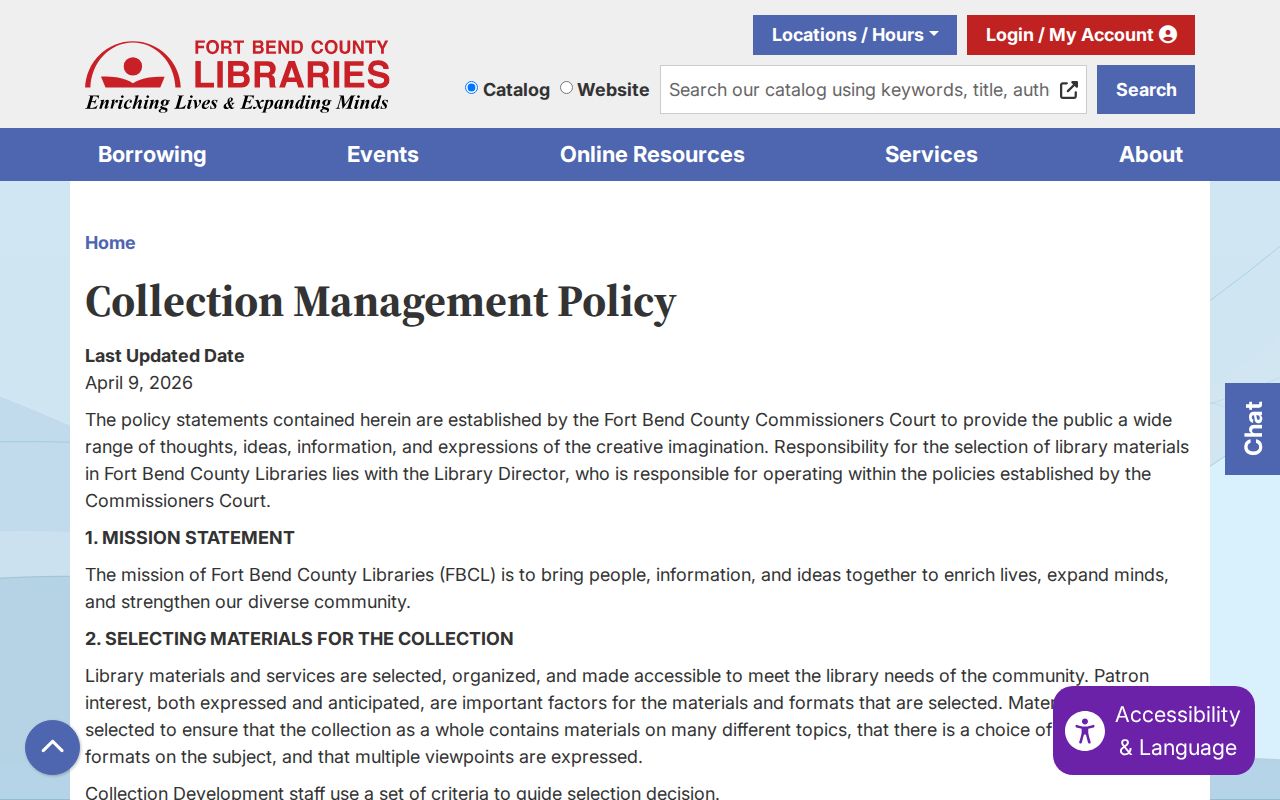
The collection is useful for corroboration, not as a substitute for a verified city-directory year or a complete household list.
Trace a Pecan Grove Directory Household
Household tracing works best when a printed listing is treated as a dated lead. Begin with the legal subdivision and an approximate owner date from Fort Bend deed or appraisal records. Then test both spouses' surnames, initials, and likely name forms in the 1982 and 1986 Rosenberg-Richmond books. The search should also test the address in any reverse, telephone, or suburban volume the library locates.
- Record the deed or appraisal detail that anchors the subdivision, lot, block, or approximate owner period.
- Search the verified Rosenberg-Richmond directory years by surname, spouse name, and initials.
- Ask for address-ordered and telephone volumes, then test street-number variants and Richmond or Rosenberg labels.
- Pair the result with the nearest available census. The 1982 and 1986 listings sit between the 1980 and 1990 census years, so use deeds, tax rolls, newspapers, probate, and permits for that gap.
- Confirm any proposed household connection with a recorded instrument, voter record, obituary, probate file, or court record.
Track name changes, remarriage, widow notation, an affiliation, and a telephone number as well as the street. A departure can mean a move, death, changed listing practice, or no listing at all.
Burial and Obituary Endpoints
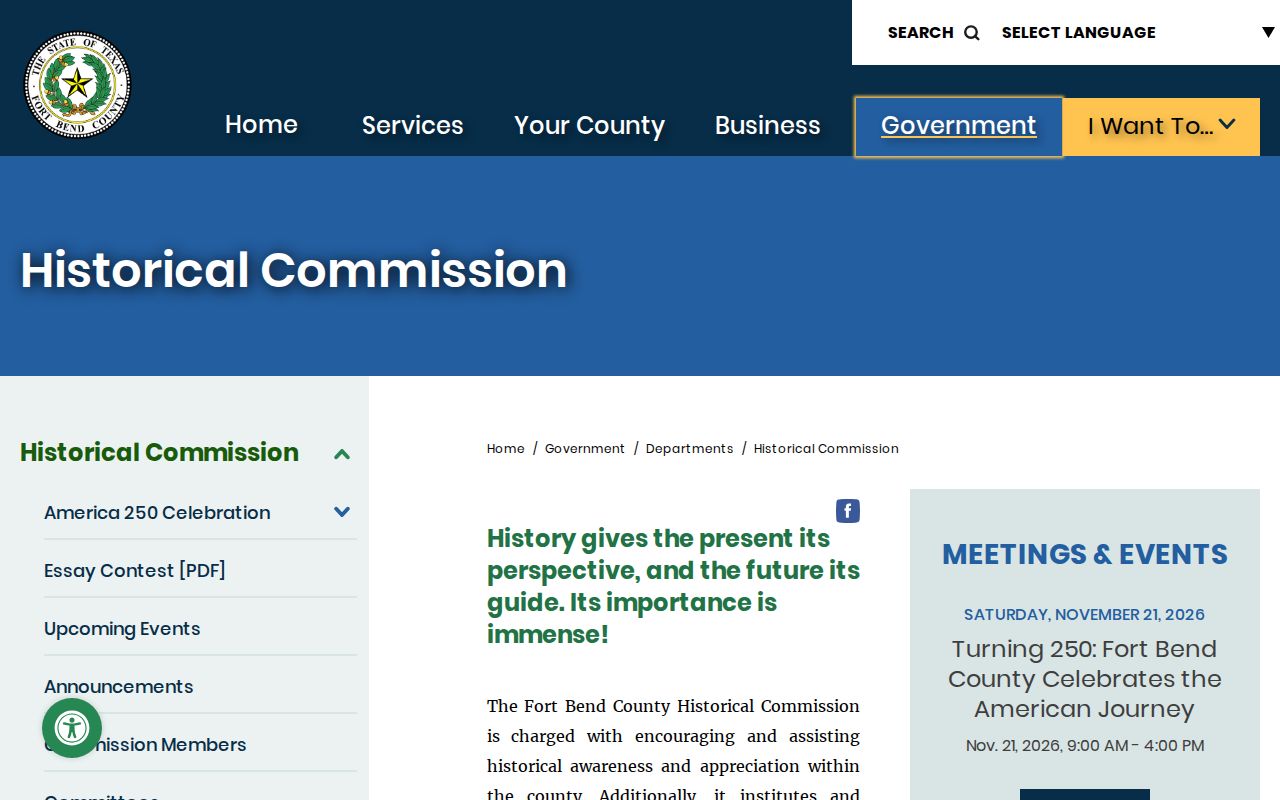
George Memorial's burial database and obituary resources can close a household trail when a directory listing disappears. The Fort Bend Historical Commission also maintains archives, oral histories, cemetery work, and a Burial Name Index. Those sources are leads for a death date, cemetery, family connection, or newspaper citation. A restricted vital certificate remains a separate record type, so a cemetery or obituary result should not be treated as the certificate itself.
The Fort Bend Historical Commission provides the county archive and cemetery route.
For family history, the strongest conclusion comes from a chain of dated sources, not from one city-directory line alone.
Pecan Grove City Directory Limits
The 1899 Sanborn map of Richmond does not map modern Pecan Grove. It predates the planned development and is regional, pre-development context only. Likewise, the verified Rosenberg-Richmond volumes do not prove a full Pecan Grove directory, and no publisher, Pecan Grove sample page, or complete local reverse run was verified in the official material.
Keep the volume citation with its exact year, label, page, and any abbreviation key consulted. That recordkeeping makes a later library check possible and keeps an old list from becoming an unsupported claim about a household.